Select your language


John Chen Fu-Chun, cicm
Intern in Hong Kong
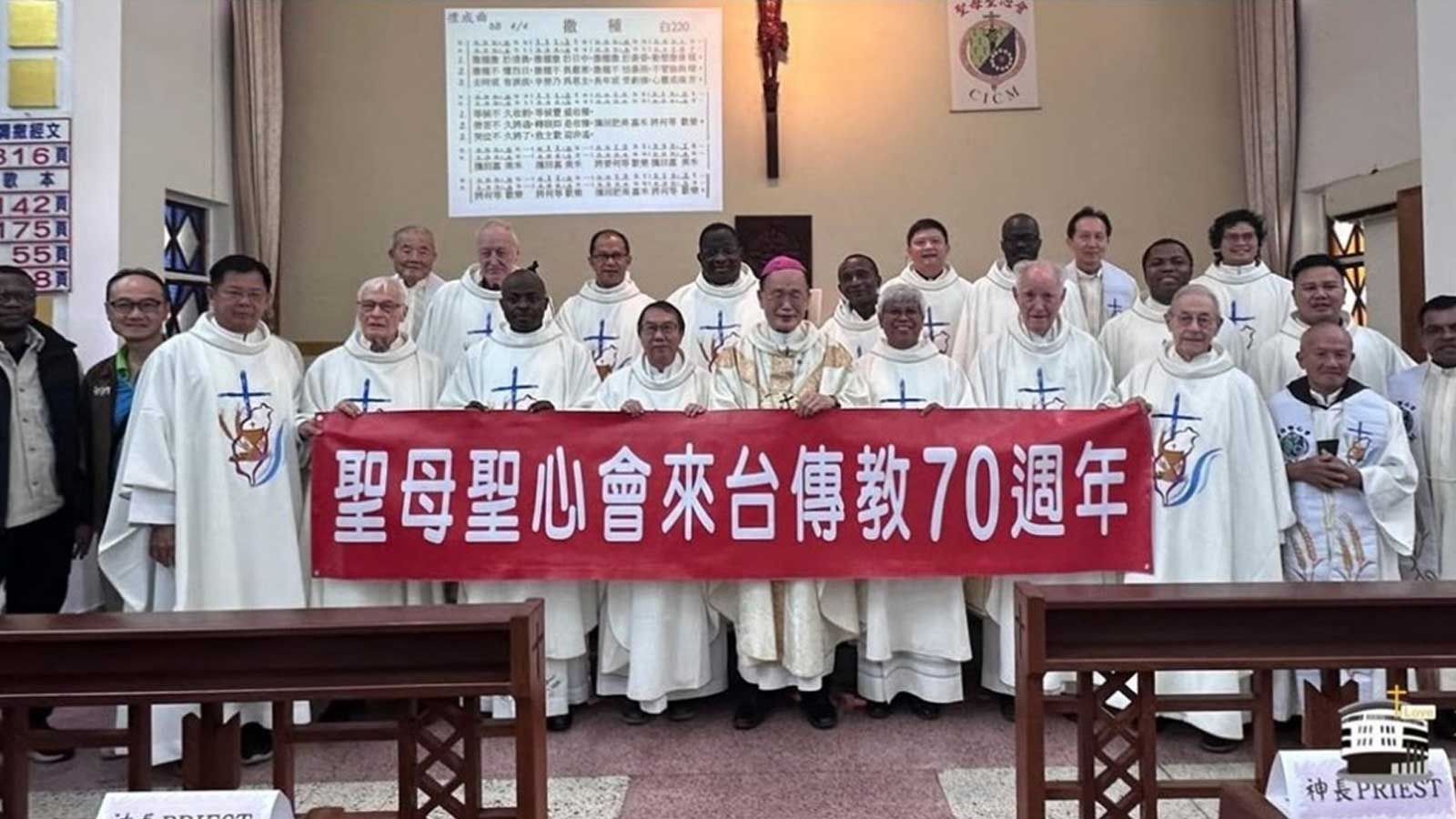
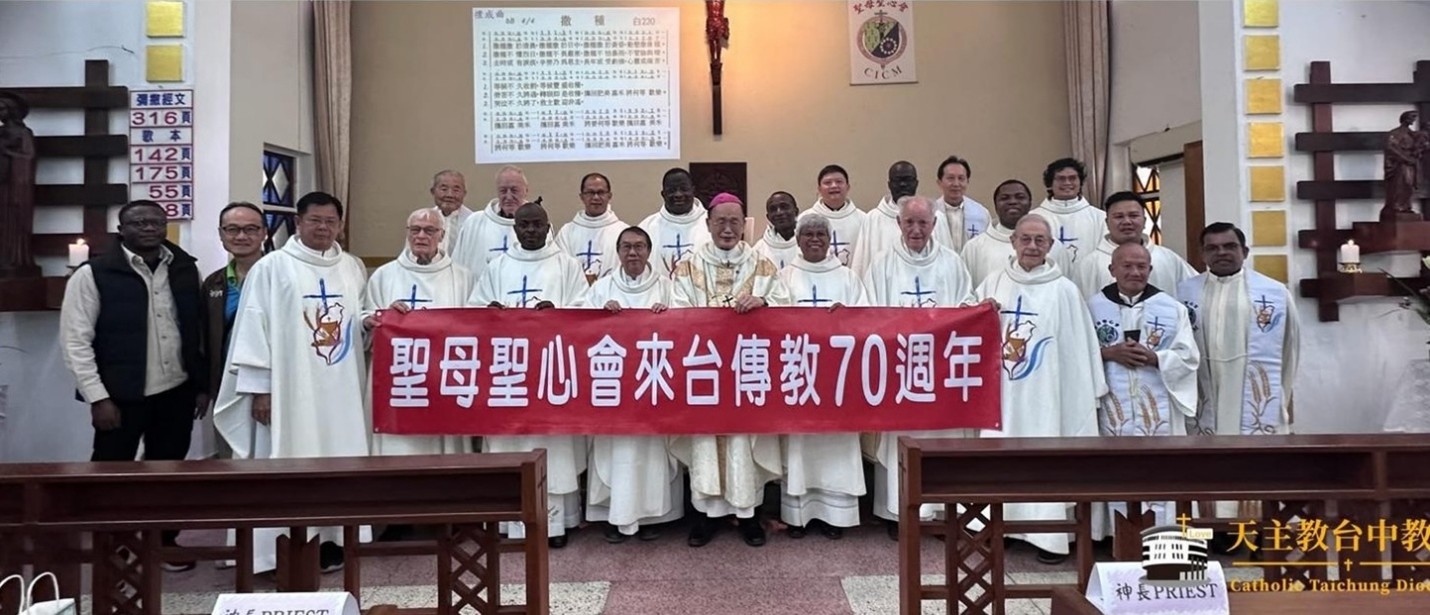
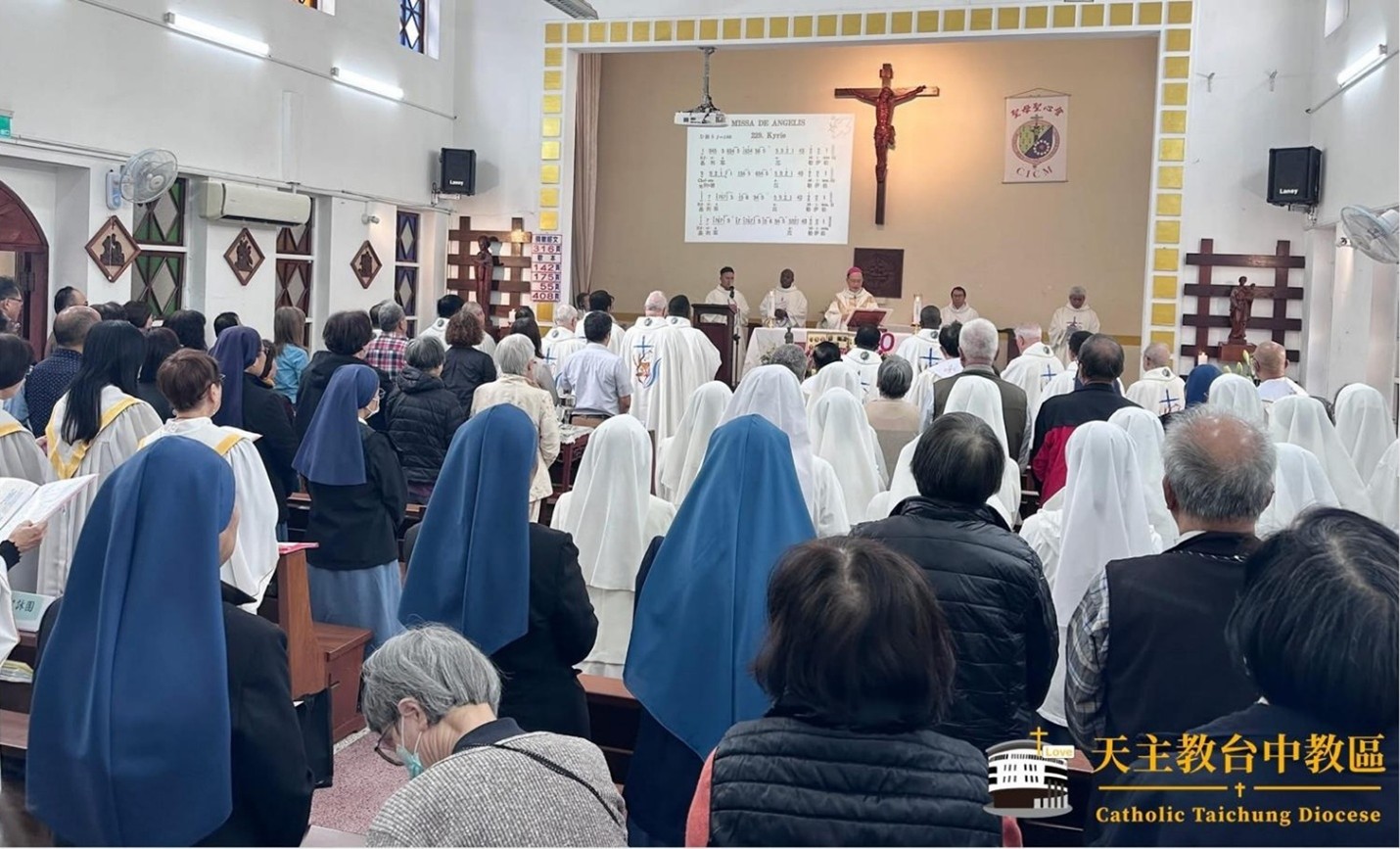
The Congregation of the Immaculate Heart of Mary gracefully celebrated its 70th Anniversary of missionary presence in Taiwan—CICM Taiwan Platinum Jubilee. The 28th of November 2025 was marked as the closing ceremony of this Jubilee Year. The Most Rev. Martin Su Yao-wen, Bishop of the Diocese of Taichung, presided over the Eucharistic Celebration at Saint Paul's Parish. This humble CICM Mission presence is located in Taichung, Taiwan.
Thanksgiving and Revelation – Understanding God's Mysterious Plan and Missionary Work
I am grateful for the blessing to participate in this celebration after returning from my studies in the Philippines—a timing I see as part of God's mysterious plan. This experience has deepened my understanding of CICM missionary work in Taiwan, providing not just a review of history but a reflection on its present relevance. Through participation, I sought to discern the message God intends for the modern Church, missionaries, and the people of Taiwan: a timeless calling. The CICM Taiwan Platinum Jubilee, occurring alongside the universal Church's Jubilee Year 2025, marked seventy years of dedicated missionary work, highlighted concern for peace and the poor, and revealed the Gospel spirit of simplicity and tranquility. Ultimately, it demonstrated that 'evangelization is our joy' remains the essence of this Jubilee Year.
Three Innovative Contributions to Taiwan
The homily was given by the humorous and witty Willy Ollevier. He linked CICM missionaries, who were fulfilling the mission work, to Jesus, who was proclaiming the Kingdom of God to the local people. He specifically mentioned three important innovative contributions that CICM had brought to Taiwan over the past seventy years.
First, language. When CICM first came to Taiwan, the Mass was still held in Latin. Although Latin sounded beautiful, most people could not understand it. Using Latin made it difficult for participants to deeply comprehend the meaning of the Mass. About 10 years after arriving in Taiwan, CICM changed the language in the liturgy from Latin to the local languages. Fr. Frederic Vincent Lebbe, the founder of Little Brothers of the Congregation of St. John the Baptist, promoted the localization of the Chinese church. He once proposed, "China belongs to the Chinese, and the Chinese belong to Christ." CICM quietly learned and practiced this spirit of evangelization through such language change.
Second, synodality. CICM recognized early on the importance of journeying hand in hand with the lay communities, rather than merely venerating priests. A priest is not a boss, but someone who serves everyone. One practice of this innovation is that CICM has established a Pastoral Center and provided scholarships for students to study theology abroad, including in Belgium. After graduation, these students may continue to work with priests in evangelistic work.
Thirdly, working alongside society. Missionary religious orders should take practical steps to meet society's needs. Within two years of arriving in Taiwan, CICM established a primary school, followed by a secondary school. Of note was the special education program for people with physical or mental challenges. Antoine Maes found out that some of these children’s parents were unable to care for them, so he decided to establish a special education school for them. CICM also established a center to provide services for the homeless. Despite these three innovative contributions, CICM-Taiwan still has much work to do in the Diocese of Taichung and throughout the Church.
More Remarks on the Event
Before the solemn Blessing at Mass, the following remarks were delivered by some CICM confreres, Bishop Martin Su Yao-wen, and the representative of Saint Paul's Parish. First: Anthony Lim Pheck Leng, General Councilor representing Fr. Charles Phukuta, CICM Superior General, recounted in detail how the Congregation arrived in Taiwan and began its evangelistic work in a very simple way, meeting the needs of the local community. Following the first four CICM missionaries who arrived in Taiwan from Keelung Port at different times in the early period, Frs. Antoine Maes, Marcel Goffart, Frans De Ridder, and Willy Ollevier can be considered the “Big Four” of the CICM missionaries in Taiwan. Next, the congregation devoted itself to education, social services, and special education for people with challenges. CICM also expanded its care to include psychological counseling, services for the elderly, and tutoring for children. Some of these ministries continue to operate today. In the early 1900s, a number of services began shifting into the care of the Diocese. The Dioceses began to assume responsibility for caring for those in need, and our Congregation fully cooperated and supported the Dioceses' growth. Furthermore, CICM worked hand in hand with laity groups. Their enthusiastic assistance enabled the evangelization work to proceed smoothly. Gradually, the younger members of CICM in Taiwan mostly came from DR Congo and the Philippines, rather than Belgium. CICM continued to actively participate in pastoral and evangelistic work in the Archdiocese of Taipei and the Diocese of Taichung. Whenever a local bishop requests it, CICM is willing to accept the task.
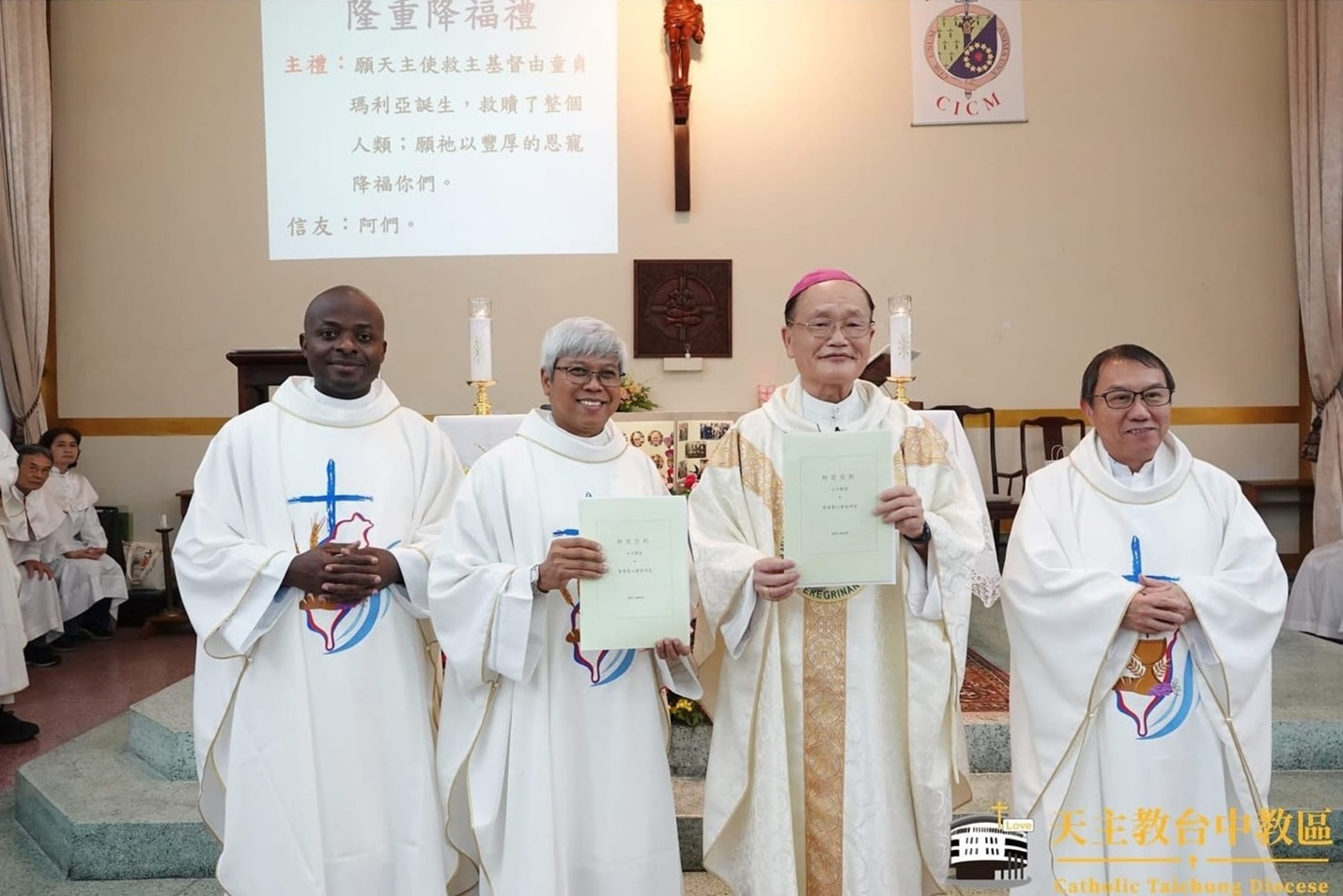
The General Councilor, Anthony Lim, thanked Most Rev. Thomas Chung An-zu, Bishop of the Archdiocese of Taipei, and Bishop Martin Su Yao-wen of the Diocese of Taichung; all priests, religious brothers and sisters, partners within the Church, and everyone who had journeyed with the congregation on the mission work, for in a special way they were all Friends of CICM. CICM will forever be grateful and continue to work earnestly with everyone to proclaim the Gospel in Taiwan. In addition to speaking on behalf of the Superior General, Fr. Anthony Lim also shared his own thoughts. He specifically mentioned that due to the rapid changes in the times, such as the decline of extended families, low birth rates, and the influence of secular values, evangelization must respond in a new direction: stepping out of our churches. We need to unite and invite brothers and sisters to join our small communities to share the beauty of the Gospel. Evangelization and pastoral care are all our shared work; let us join hands with the congregation for the next seventy years.
Next to speak was Fr. Antonius Harnoko, Provincial Superior of the CICM Province of Asia. He thanked God for His grace and everyone for their selfless dedication, making the celebration a success. He said that the Congregation earnestly requested everyone to continue supporting CICM’s evangelical works. Through this celebration, CICM also renewed the Contract with the Diocese of Taichung as a symbol of the continued cooperation.
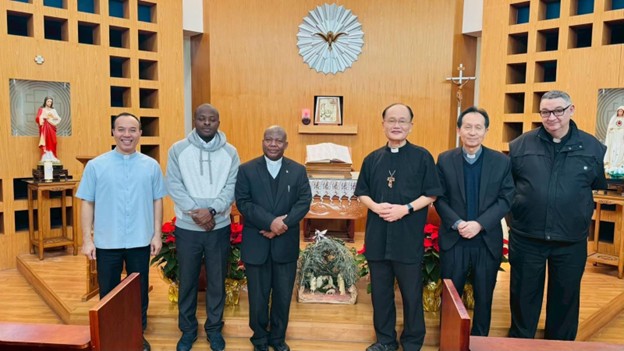
Then Fr. Norbert Khonde Khonde, District Superior of the CICM-Taiwan District, spoke thereafter. He introduced all CICM members present in a humorous manner. Of note were some members who came to Taiwan for the event and were relatively unfamiliar with the Taiwanese Catholic community, especially the members of the Provincial Government: Fr. Dominique Mukonda Kananga, Vice Provincial and District Superior of the China-Hong Kong District; Fr. Joni Payuk, District Superior of the Indonesia-Singapore District; Fr. Matthew Ndjeok Golime, District Superior of the Mongolia District; Fr. Peter Koh, also the Provincial Treasurer, and Fr. Louland Escabusa , the Provincial Secretary. Bro. Jean-Pierre Musongiela, who had arrived a few days earlier at his mission destination, Taiwan, was also introduced. Bishop Martin Su Yao-wen, on behalf of the Diocese of Taichung, expressed gratitude to CICM for their generous contributions and praised their spirit of One Heart, One Soul. Mr. Meng, the representative of Saint Paul's Parish, also expressed special thanks and commendation to Fr. Antoine Maes for his relentless work as a former parish priest, leading the flock of our Lord Jesus.
The Thought-Provoking Situation in Taiwan Highlights the Challenges that CICM Faces
The closing ceremony of the Platinum Jubilee Year was concluded by a delightful lunch. After the enjoyable meal, there was a reluctant farewell. My reflections on this blessed day also include thoughts on some of the realities facing Taiwan, my hometown.
Following the Korean War in the 1950s, the United States provided large-scale aid to Taiwan. Because food aid was distributed through the Church system, some people in Taiwan began going to churches to collect it. From 1949 to 1953, many Catholic priests and nuns, driven by political situations, came to Taiwan. At that time, many indigenous people converted to Christianity, a period known as the "Miracle of Formosa." Statistics show that between 1950 and 1970, approximately 300,000 Taiwanese converted to Catholicism, including about 120,000 indigenous people. The arrival of CICM in Taiwan (1955) coincided with the island's period of transformation.
However, since the 1970s, the number of believers has remained around 300,000, with no significant increase. Meanwhile, Taiwan was experiencing rapid population growth. Therefore, it can be said that the proportion of believers has decreased rather than increased. Some studies on this interesting phenomenon suggest that the stagnation of the Catholic Church since the 1970s can be attributed to several factors: improved socio-economic conditions have led to a decrease in people's religious needs; traditional culture's resistance to foreign religions; the revival of folk beliefs; and the migration of religious populations. With the economic boom, secular values began to permeate Taiwanese society. There is a classic chewing gum advertisement's line that says: "If I like it, what's wrong with it!" In Taiwan's education system, public schools are prohibited from promoting or conducting activities for specific religions and cannot force teachers and students to participate. While private schools may conduct specific religious activities in accordance with their educational principles, they must respect teachers' and students' wishes and may not engage in so-called "discrimination."
Evangelization, therefore, is a sensitive activity even in Catholic schools. According to statistics, suicide has become the second leading cause of death among teenagers in Taiwan, second only to accidental injuries. The suicide rate among 15–24-year-olds has more than doubled in the last 10 years. In addition, Taiwan has the second-highest divorce rate in Asia and one of the lowest birth rates in the world. In Asia, Taiwan was the first to legalize same-sex marriage. From these, we can see that liberal values have become so dominant in Taiwan. Will the Catholic Church in Taiwan become the last guiding light for ships adrift in the darkest of times?
In addition to addressing ethical concerns, another phenomenon reflects the growing need for interreligious dialogue in Taiwan. There are many traditional religions in Taiwan. According to statistics, as of now, the total number of registered temples in Taiwan is 10, 962. According to this fact, on average, there is a temple every 3.3 square kilometers, reflecting the diversity of religious culture in Taiwan. The faith which the Church offers as a gift to her Asian sons and daughters cannot be confined within the limits of understanding and expression of any single human culture, for it transcends these limits and indeed challenges all cultures to rise to new heights of understanding and expression. (Ecclesia in Asia, 20) The Church has the deepest respect for these traditions and seeks to engage in sincere dialogue with its followers. The religious values they teach await their fulfilment in Jesus Christ. (Ecclesia in Asia, 6) Therefore, CICM missionaries should keep in mind the pressing need of the local Churches in Asia to present the mystery of Christ to their peoples in accordance with their cultural patterns and ways of thinking. (Ecclesia in Asia, 20).
To sum up, the Spirit keeps inspiring us to continue moving forward in the changing world and to fulfill God’s mission. The Church, sent by Christ to reveal and to communicate the love of God to all men and nations, is aware that there still remains a gigantic missionary task for her to accomplish. (Ad Gentes, 10) In Asia, home to great religions where individuals and entire peoples are thirsting for the divine, the Church is called to be a praying Church, deeply spiritual even as she engages in immediate human and social concerns. All Christians need a true missionary spirituality of prayer and contemplation. (Ecclesia in Asia 23) Children of God need divine healing, renewal, sanctification, and transformation. CICM missionaries in Taiwan, as “men of prayer in fraternal communion”, continue proclaiming the Good News in the local context and in the CICM mission-oriented way.
MESSAGE OF THE CICM SUPERIOR GENERAL, FATHER CHARLES PHUKUTA, CICM, ON THE OCCASION OF THE CELEBRATION OF THE 70TH ANNIVERSARY OF THE CONGREGATION OF THE IMMACULATE HEART OF MARY (CICM) MISSIONARY PRESENCE IN TAIWAN
Your Excellency, Bishop Martin Su, fellow priests, religious brothers and sisters, Father Provincial Superior, and all CICM confreres, lay collaborators, friends of CICM, and brothers and sisters in Christ, greetings from Rome! Filled with joy, my thoughts and prayers are with you on this special occasion of the celebration of the 70th Anniversary of CICM Missionary Presence in Taiwan.
The story of CICM in Taiwan began on January 17, 1955, with the arrival of four CICM missionaries: Remi Van Hyfte, Pierre Crevits, André Baert, and Albert Geusens. They arrived at the port in Keelung and then went to Taipei City, Wanhua District, where CICM was entrusted by the Apostolic Vicar of Taipei, Bishop Guo Ruoshi, CDD (Congregatio Discipulorum Domini), to proclaim the Gospel and to establish the Catholic Church. CICM missionaries chose the Wanhua District because it was home to many needy people. This reflects the charism of CICM: to proclaim the Gospel and spread the love of God to the poor.
With humble beginnings in renting apartments, gathering for prayers, and listening to the gospels, the mission gradually grew into parishes with churches and Christian communities. Several months after their arrival, the Holy Rosary Parish was established in 1955. In 1957, Resurrection Parish on Dali Street and Christ the Savior Parish on Liuchou Street were founded. The Sanctuary of St. Theresa of Lisieux was established in 1958. CICM's commitment to the mission in Taiwan was evident through its continued sending of missionaries. After the first four missionaries arrived in January 1955, two more were sent later that year. In 1956, six missionaries were sent; in 1957, four; and in 1959, three missionaries arrived, including Fr. Ma Shi Guang (Antoine Maes), who is present among us. In the following years, about one or two missionaries were sent each year. Fr. Hou Fa De (Marcel Goffart) arrived in 1964, Fr. Lin Rui De (Frans De Ridder) in 1965, and Fr. Wu Wei Li (Willy Ollevier) came to Taiwan in 1971. They are here with us.
Proclaiming the Gospel and establishing Christian communities were the main missionary activities early on. However, after some years, following Jesus' example in reaching out to the poor, CICM shifted its focus to education and social ministry. Many children in the Wanhua District lacked access to education. CICM opened parochial kindergartens, Catholic elementary schools, and Catholic High School. Later, in response to the needs of children who are physically and mentally challenged, CICM established Special Education Centers.
In 1965, at the invitation of the Bishop of Taichung, CICM began missionary work in Taichung City by founding St. Paul Parish on Daya Road. Since then, CICM missionaries have continued to serve in the Diocese of Taichung.
As the years went by, Taiwan developed and expanded. New social issues emerged. CIC started addressing these problems, such as the increasing number of homeless people in Wanhua, the demand for psychological counseling and human development programs, and an aging population. As a result, CICM established Huai Jen Counseling Center, the House of Peace for homeless individuals, the Elderly People Center, and the Children After-school Care Center. Some of these centers are still in operation.
The proclamation of the Gospel is always linked to concrete actions, like reaching out to those in need. We are called to be the "Good Samaritan"! That is why CICM, in addition to founding parishes and Christian communities, also participates in education and social work.
Another characteristic of CICM is its role in establishing and supporting the local church. In the 1990s, the Archdiocese of Taipei became a fully established and self- reliant local church. It was then time to transfer the management of schools and some social services to the local church. Consequently, all kindergartens, elementary schools, high schools, and special education centers were handed over to the Archdiocese of Taipei, with CICM supporting these efforts. We are glad that the local church can now take on the responsibility of reaching out to those in need, as Jesus told his disciples: "You give them something to eat!" The local church must grow, and we missionaries will continue supporting this development.
Over the years, CICM missionaries achieved these goals through the generous support and collaboration of many laypeople in the parishes and Christian communities. As foreign missionaries, we depend on many lay collaborators to help proclaim the gospel as teachers, catechists, administrators, caregivers, special educators, and "willing hands." Without their support, it would have been impossible.
In recent years, the younger missionaries have come from Congo and the Philippines rather than Belgium. Today, CICM continues its involvement in the Archdiocese of Taipei and the Diocese of Taichung. We are pleased to keep working alongside the local church to share the Gospel with the people of Taiwan within these two dioceses. We are here to serve the local church! In other words, our missionaries are ready to respond to the local church's call, through its bishop, to undertake specific missionary tasks within the diocese.
Today's celebration of the 70th Anniversary of CICM Missionary Presence in Taiwan honors all of you here and those who have gone before us! It is also a thanksgiving to God for the remarkable missionary journey CICM has shared with the church and the people of Taiwan. Thank you, Your Excellencies, Bishop Martin Su and Archbishop Thomas Chung! Thanks to all the priests, religious brothers, and sisters! Thanks to all the lay collaborators, especially the "Friends of CICM"! And thank you all, dear brothers and sisters, for the incredible missionary journey we've experienced together! We, CICM missionaries, are forever grateful to each of you and continue to rely on you to proclaim the Good News of the Lord in Taiwan!

Audrey Matombe N. and Justin Pasuanzambi S.
The year 2025, declared by Pope Francis, was a jubilee year in the Catholic Church and also for the CICM Scolastica Père Nkongolo, known as Scopenko. It was a year marked by hope. In this climate of hope, Scopenko joyfully celebrated its 50th anniversary under the theme: “Scopenko, witness to universal brotherhood, revives the hope of the mission.” Indeed, Scopenko, as a house of formation, was founded in 1975 and celebrated its 50th anniversary in 2025. Since its founding, this formation house of the Scheut Fathers has trained young CICM students. It has sent out several CICM missionaries, who now work around the world to share the news of salvation with everyone. With this in mind, the celebration of its jubilee was unprecedented in scale, and there was active, massive participation by all those who grew up there in the vocation of religious missionary life.
July 13, 2024, was the date chosen by the organizing committee (Ad Hoc), composed of several CICM-KIN province members. They began activities for the 50th anniversary of this seminary, which has given the Church and the world many CICM missionaries and laypeople committed to Christ's service. After the launch, a dream-like moment unfolded, made possible by the power of the Holy Spirit and the collective determination, kindness, fervor, and commitment of all involved. Building on this foundation, the following lines will therefore present the various activities that contributed to the complete success of the 50th anniversary celebration.
Missionary Activities in CICM Parishes
To commemorate Scopenko’s golden jubilee, the Ad Hoc Committee organized a tour of CICM missionary activities in all Kinshasa Archdiocese parishes, aiming to inspire young people to follow the missionaries’ example. The CICM pre-novices, accompanied by their formators and some Ad Hoc committee members, led a series of Eucharistic celebrations as part of “Sequela Christi,” aiming to become religious missionaries. Formators presided, and pre-novices led the choir at each celebration, which took place sequentially at Saint Kizito, Kingabwa; Sainte Honorine Mandela; Notre Dame de Fatima; Saint Léonard Mbudi and Sainte Louise de Marie lac; and finally, Sainte Eugène, Menkao. As for the parishes of Saint Perpetua and Saint Elizabeth, the Ad Hoc committee members represented the entire Scopenko community.
Fraternal Sports Tournament
As part of Scopenko's 50th anniversary celebrations, a major soccer tournament was launched. This event, which involved all the CICM parishes in Kinshasa and the fully engaged Scopenko community, was a highlight of the commemorative activities. After defeating all opponents, Sainte Elisabeth Parish reached the final against Scopenko, who had narrowly eliminated Saint Kizito Parish 3-2 in the semi-final. The final took place on the Saint Raphael College field and ended 1-1. A penalty shootout followed, and Scopenko clinched victory with Mbuyi Jean-Marie’s final kick. Pre-novices and their trainers celebrated with a jubilee dance as Scopenko won 4-3. All the parishes involved in the tournament were represented at the final. The CICM Buisson Ardent novitiate community was also there.
The tournament was part of a fraternal event. The CICM pre-novices connected with young people from different parishes, who prepared performances such as a dance, ballet, and Congolese comedy to make the day special. To close this great event, the Provincial Superior of the CICM-KIN province, Father Jean-Eddy Bakando Efoloko, presented jerseys to all participants in the tournament. The jerseys bore the Scopenko golden jubilee logo.
Before the tournament, CICM theologians from CIFA in Ngoya, joined by former members who had studied at Scopenko, played a sports match against the Scopenko community at the UNIKIN swimming pool. Scopenko won five to two. The event ended with a fraternal meal.
The Renovation of Scopenko
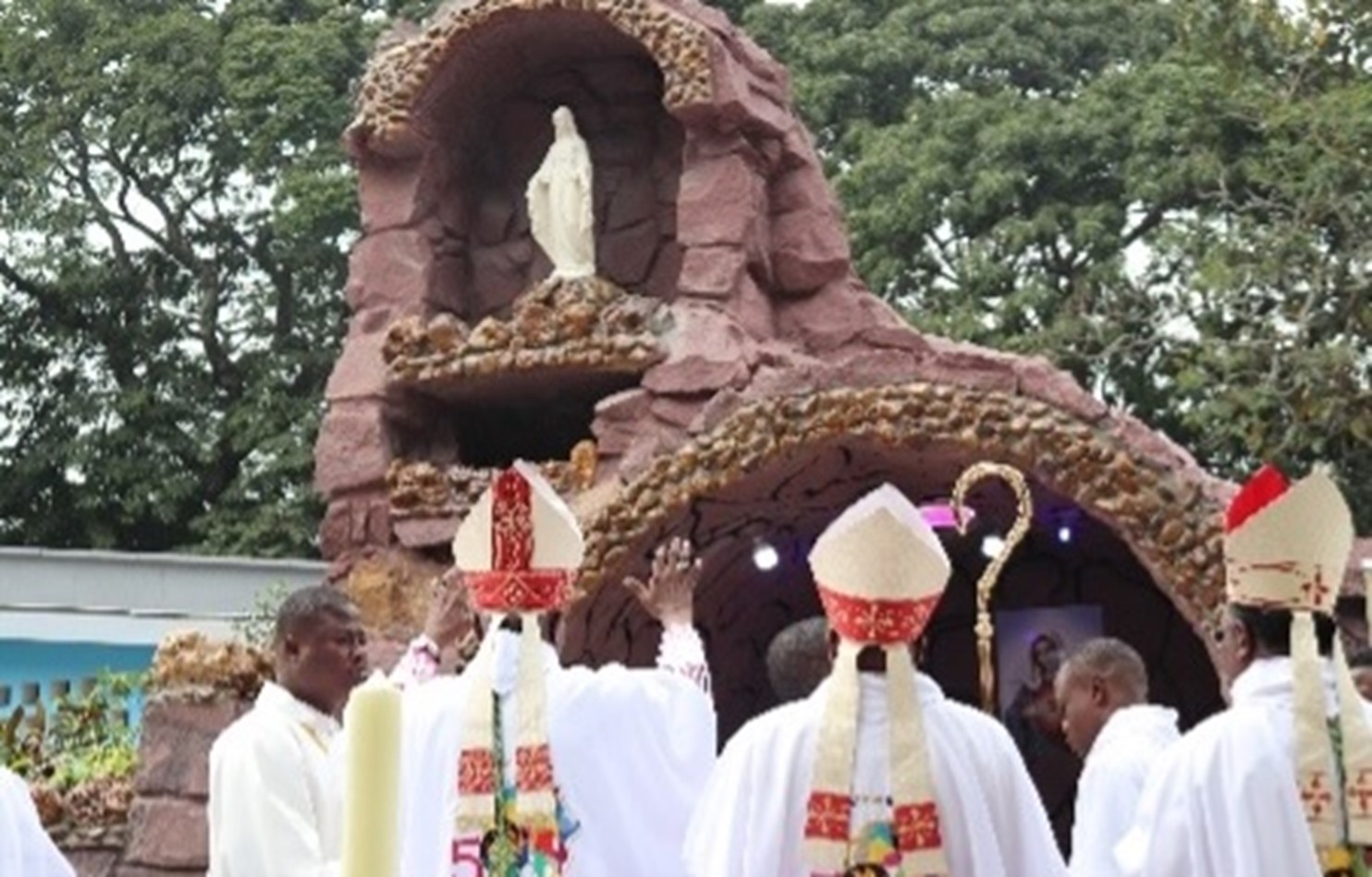
Scopenko undertook renovations to its buildings, launching several projects before the celebration to present itself at its best. Among the renovated areas are the libraries, dining hall, formators' lounge, and kitchen. In keeping with this approach, a new coat of paint has rejuvenated all of the Scopenko buildings. In addition, a new Marian grotto was built, dedicated to prayer and devotion to the Virgin Mary, thus contributing to the spiritual growth of the young people in formation in the Congregation of the Immaculate Heart of Mary, which is dedicated to the Incarnate Word, under the high patronage of the Virgin Mary. This grotto is located in front of the rectory wing. It is visible from the entrance to Scopenko. It already welcomes Christian faithful every day after the morning Mass.
The Celebration Itself
On August 2, 2025, the golden jubilee of the CICM Scolastica Père Nkongolo pre-novitiate was celebrated with joy and gratitude. Four CICM bishops, missionaries from around the world, secular priests, and lay faithful gathered to give thanks to God for Scopenko's 50 years of existence. It all began with a Eucharistic celebration presided over by Bishop Edouard Tsimba Ngoma, CICM. He is an auxiliary bishop and delegate of the Metropolitan Archbishop of Kinshasa, Fridolin Cardinal Ambongo. Liturgical animation was provided by the CICM pre-novices and the choir “Les messagers de Fatima”.
The Mass was a joyful celebration marked by a procession of about a hundred priests in special jubilee vestments, followed by four CICM bishops—Bishop Fulbert Tembo Nlandu of Budjala, Archbishop Ernest Ngombe Ngboko of Mbandaka Bikoro, Bishop Nkolo Kanowa of Mweka, and Bishop Edouard Tsimba Ngoma, Auxiliary Bishop of Kinshasa, and the first secretary of the Apostolic Nunciature in the DRC, representing His Excellency the Apostolic Nuncio Mitja Leskovar.
The Mass was attended by many former Scopenko lay people, now engaged in various societal services, all CICM parish delegations from Kinshasa, and several religious communities, including ICM sisters, the CICM novitiate community of Buisson Ardant, friends of Scopenko, CICM theologians on vacation, and CICM pre-novices, wore specially designed jerseys.
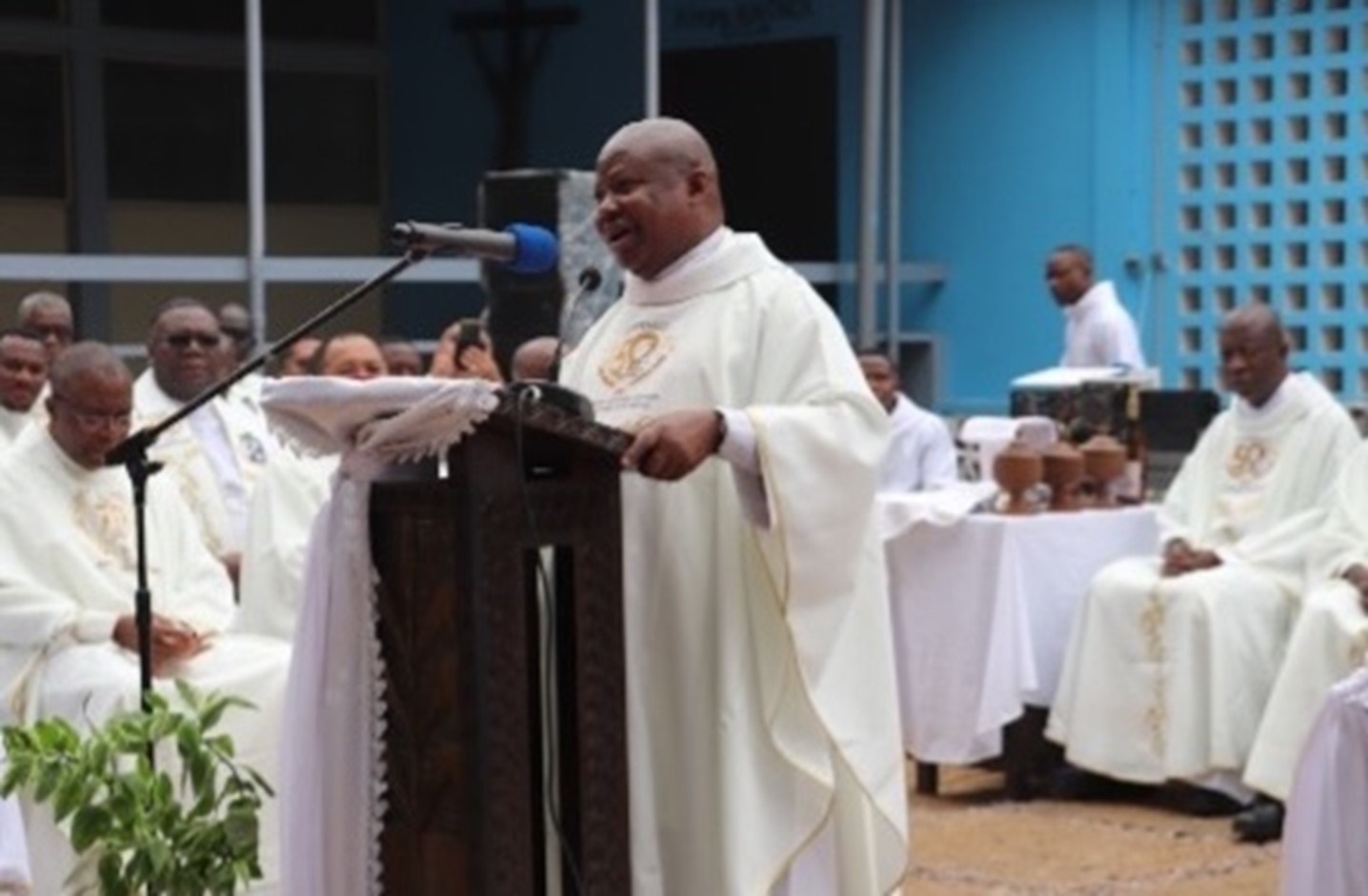
In his homily, the Father Charles Phukuta Khonde, CICM, Superior General, highlighted the enduring service this house of formation has provided to the Church. He noted that both he and the four bishops present were products of this institution. He urged formators and those in formation to persevere in their mission so that Scopenko continues to foster missionaries faithful to the Gospel, for the greater glory of God and the salvation of mankind.
After Communion, Father Emmanuel Iroung, CICM, responsible for missionary animation, introduced the ecclesiastical authorities and CICM missionaries representing all eight CICM provinces and the mission of Malawi. He then introduced all the generations of CICM members trained by Scopenko from its creation to the present day.
Bishop Edouard Tsimba Ngoma, CICM, took the floor well before the final blessing. He urged the CICM pre-novices and assembly to keep hope alive through the Virgin Mary's intercession, even in difficult times. He also asked the pre-novices to watch over the grotto, especially the statue of the Virgin Mary, which is currently at risk of theft or desecration. After his exhortation, the Marian grotto was solemnly blessed.
The jubilee Mass ended at 1 p.m. in an atmosphere of joy, peace, and serenity, followed by a fraternal meal that was a reunion for many attendees. We celebrated the 50 years of Scopenko's existence, a sign of fidelity to God who continues to call. In this spirit of gratitude, a big hat off to all the formators who gave their best to accompany generations of pre-novices. Passing through this house, these pre-novices experienced an open heart and were shaped in the school of Christ the Missionary. But this jubilee was not only a memory, but it was also a call. In this world marked by many challenges: a crisis of faith, poverty, individualism, the search for reference points, among others.
Our house of formation must remain a place of hope, a school of evangelical and missionary life. It must continue to be a crucible where hearts are forged that are capable of loving even to the peripheries, where the Gospel is awaited as the Light. May this celebration remind us that we are heirs to a history and builders of a future. Rooted in the Immaculate Heart of Mary, we continue our mission with confidence: to be witnesses of the Good News to the ends of the earth.
Eric Michael Imbao, cicm
Missionary in the USA
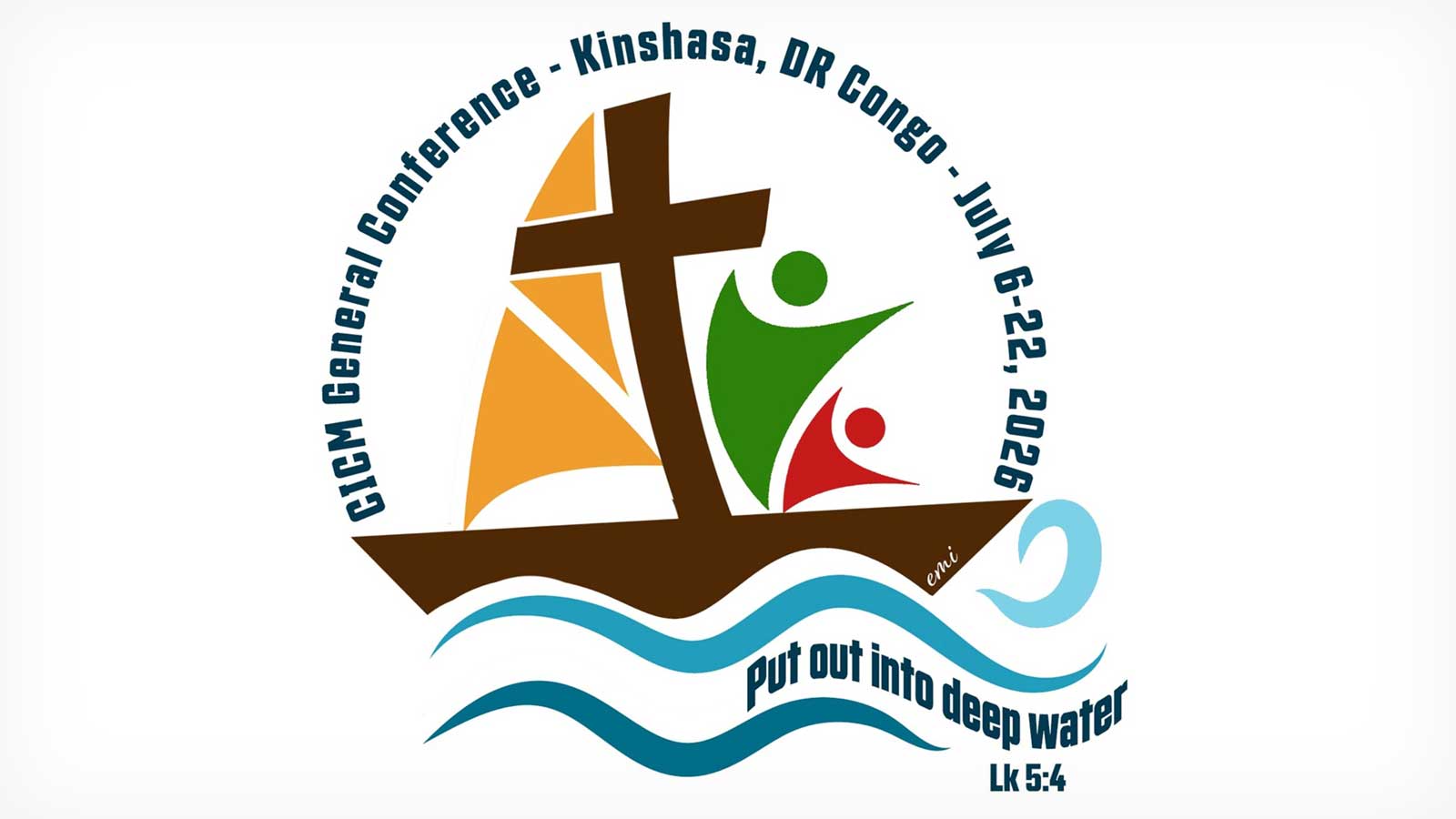
The logo for the CICM General Conference is inspired from Jesus words to Simon Peter, "put out into deep water and lower your nets for a catch," recorded in Luke 5:4. The passage is not only referring to the miracle catching of fish; instead, it is much more about the mission of evangelizing to the world and winning souls for God. This logo is a humble yet meaningful way to capture the conference's goal and the CICM's call in the face of today's challenges.
The boat at the center of the logo represents the mission of CICM. As one heart and one soul, we are called to row in the same direction, inspired by our charism, mission priorities, and history. The mast of the boat is the cross (brown cross), which represents the cross of Christ as the captain of the boat. Wherever we go, we preach the saving act of God on the cross for the salvation of humanity. Guided by the mainsail (three gold mainsails) is the Trinity, who steers the boat to where he wants it to go. The blue waves represent the challenges in today's world. Society is tossing and pulling us in different directions. Sometimes we must go where the waves are pulling us; however, at times we must go in the opposite direction. The people icon (green and red) illustrates our mission not as an individual undertaking, but rather as a communal effort, just like when Jesus commissioned his apostles and the seventy-two other disciples whom He sent in pairs. We, as CICMs, must also embody the spirit of our community mission. At the bottom of the logo is the theme text for the CICM General Conference 2026: "Put out into deep water" (Duc in Altum), represented in blue letters.
 Kevin Saministrado, cicm
Missionary in Dom. Republic
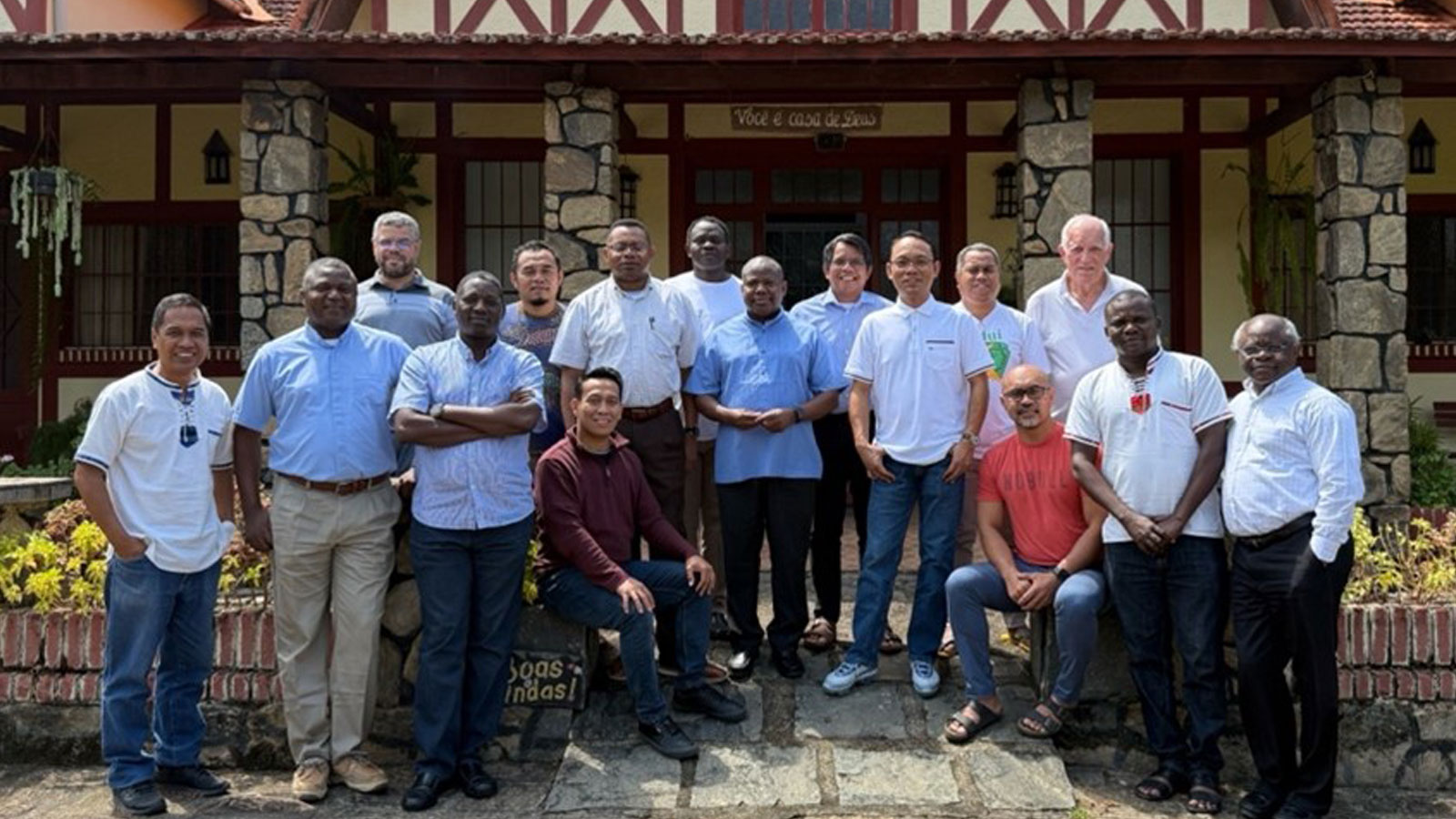
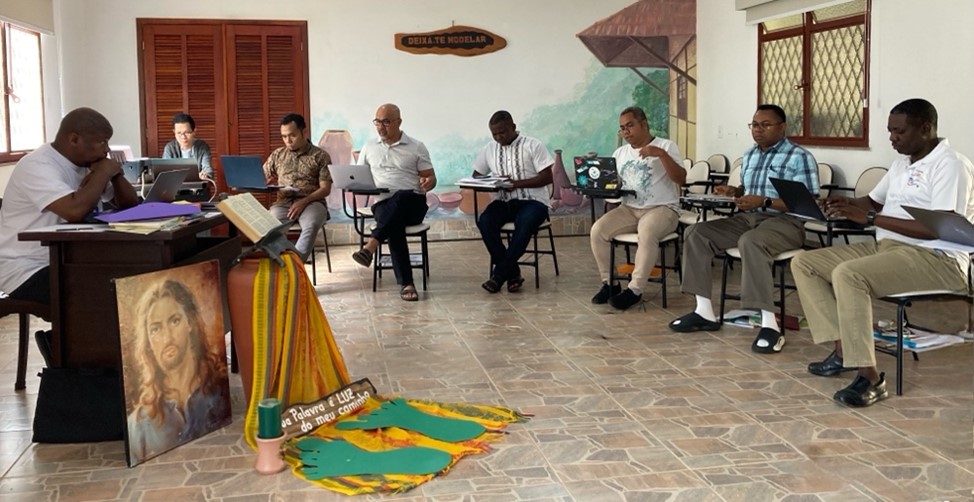
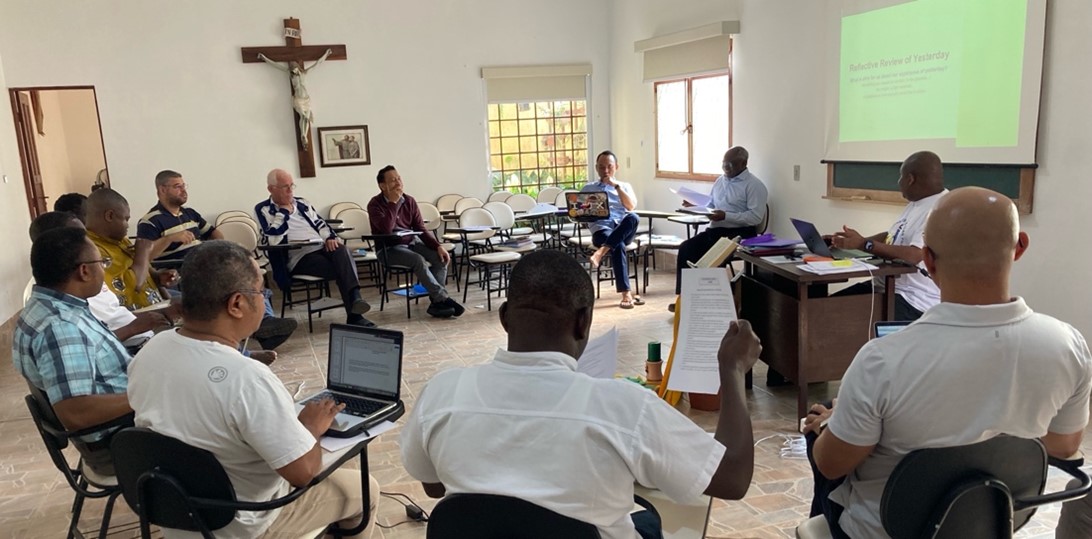
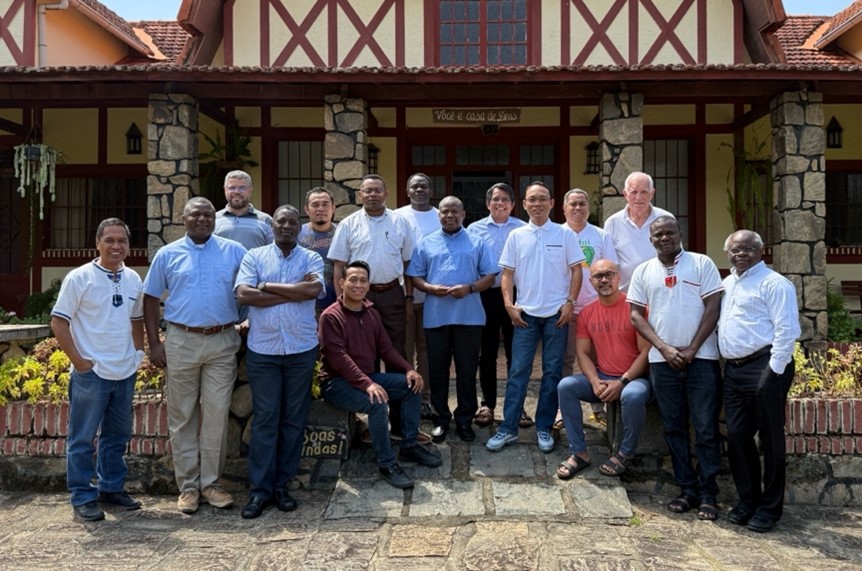
Training sessions for recently appointed members of the provincial governments have been a tradition observed for more than two decades. The letter of Father Charles Phukuta, CICM, Superior General of the Congregation, dated July 15, 2024, summoned the new provincial government members of LAC, BNL, and US province on a week-long training session. This training was held in Ermida Retreat Center, Miguel Pereira, Rio de Janeiro on October 7-13, 2024. A tentative agenda was sent out to prepare for this, and a study of CICM documents was recommended.
Upon reading these documents and the written expectations of confreres in LAC Province during the consultative votes of Provincial Government members, I came up with many questions: How can I help the Province and the Congregation? Where Am I with my work as a councilor? Am I doing well in the past 3 months before this training session? What are my boundaries? With all these questions, I arrived in Brazil confused. However, I was so happy to meet some confreres from other provinces who willingly accepted the appointment to be part of their respective Provincial Government. Some of them have enough experience in CICM administrative works, and here I am, a newbie and fresh in this ministry of leadership in our Congregation. I joined this group enthusiastically to learn about my tasks and responsibilities in LAC Province and the Congregation.
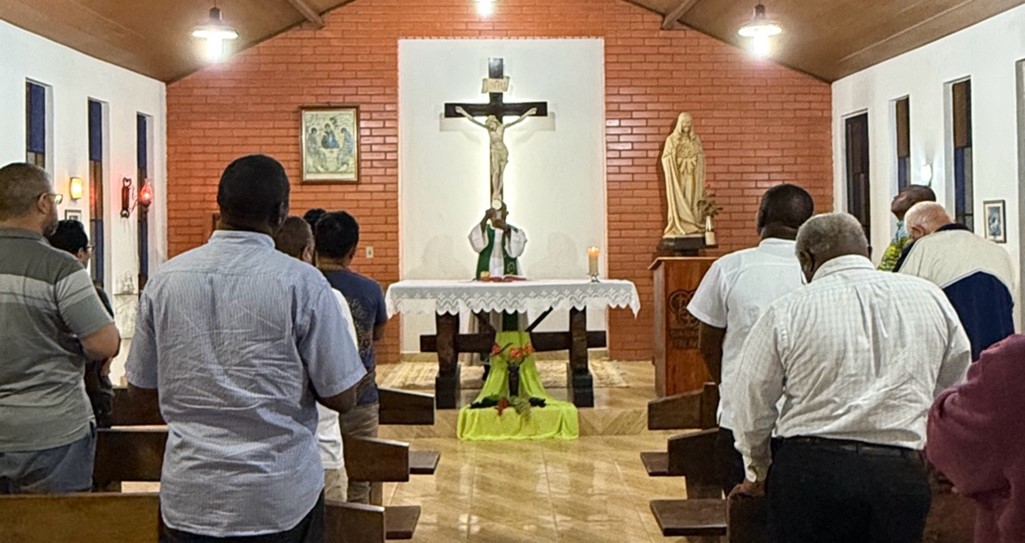
Training session
The Superior General emphasized that the presence of all three Provincial Government members was to animate and help one another fully understand the Congregation's basic principles according to its statutes and constitutions. He highlighted that our CICM constitution has the highest authority in all the documents. This means that we must thoroughly learn it by heart to be guided as members and leaders of the Congregation. A good leader must be equipped with some tools to care for his confreres and confront the different situations of their respective provinces. Leadership roles involved promoting the vision and inspiring confreres to work toward that vision.
According to the general survey of the Elenchus, we have 740 priests, 21 brothers, and 13 deacons, which showed a significant membership and a multicultural character of the Congregation. How can we bring all these concerns to the vision? During the 13th general chapter of 2005, Rome, the capitulants were trained in their workshop with practical tools and techniques such as guidelines for respectful communication, how to deal with our negative experiences, invite others into communication, and analyze what is happening within ourselves. Luckily, it was also echoed in this training, especially the respectful communication guidelines by Eric Law:
R – Take Responsibility for what you say and feel without blaming others
E – Use Empathetic listening
S – Be Sensitive to differences in communication/cultural styles
P – Ponder what you hear and feel before you speak
E – Examine your assumptions and perceptions
C – keep Confidentiality
T – Tolerate ambiguity because we are not here to debate. There are no "winners" or "losers."
These guidelines are crucial to facilitate individual sharing and discussion in our multicultural group. The processes outlined by Eric Law promote genuine dialogue among diverse groups in a series of meetings and discussions. These refined and respectful communication skills should be based on openness, inclusiveness, honesty, and transparency. They also speak of valuing one another and recognizing the unique role of each one of us in this beloved Congregation.
We heard stories of Confreres who were drowning and lost but found their way back and embraced the Congregation. Moreover, there were stories of confreres who were criticized and rejected but became good parish priests and even highly respected missionaries. This reminds me of the Gospel of Mt. 14,22-33, where Peter was drowning, and Jesus extended his hand to save him or the Gospel of Lk. 15,11-32, the parable of the lost son. In situations like these, communication is the best approach that can bring a welcoming environment and create a sense of belongingness and connectedness to recognize our confreres in a way in which their uniqueness is valued and respected in our Congregation.
Leadership at the Provincial Level
Provincial government members must be a spiritual animator who leads and guides each confrere to respond to the call of Christ fully; "Go out to the whole world; proclaim the Gospel to all creation." (Mk. 16:15) As Religious missionaries of different races and culture, we live and work together as brothers. "One heart and one soul, we witness to the Father's will that all men and women be brothers and sisters in Christ." (Art. 2, CICM Constitution). Working in the vineyard of the Lord is a corporate commitment. Each of us has a task to contribute to a good harvest.
This means that the Province must have a clear and precise vision. Where are we going? What paraphernalia is needed to cultivate this vineyard? How do we produce a good harvest? A compilation of the expectations of confreres of the Latin American and Caribbean Province for the Office of the Provincial Superior, Vice Provincial, and Councilors is giving us some ideas on how to be more productive. Helpful tips and strategies are being shared on how to journey with confreres or co-workers of this vineyard. Leaders are asked to be open-minded and kind and should promote unity and fraternity among confreres. All Members of the Congregation working for the cost of the kingdom of God must be treated with dignity and respect. A listening ear must be given even to the most special and difficult ones. Recognizing and addressing their spiritual, emotional, and physical needs are essential for their growth. Lastly, leaders should animate and motivate confreres to be faithful to the mission entrusted to the Institute.
The guidelines for multicultural living in CICM recommended something for our leaders, the Provincial Superior, and his Council, which should make it a point that the statutes of the Province provide clear and consistent guidelines for all the members. The lack of such guidelines can be a source of tension and lead to all kinds of misinterpretations, thus detrimental to multicultural living (RI 2005 p.17). In the training sessions, trainees are asked to glance and read the documents. What is being said in the constitution, Vade-mecum, or in the statutes of the Province? It was the question that I always heard during our sharing and discussion. This means that congregational guidelines and other documents reference how to perform a task and create a harmonious province. They also ensure that our missionary life is consistent and runs smoothly toward our mission vision.
With the help of these guidelines, confreres will know what the Province expects from them. Although guidelines, vade-mecum, constitution, and other documents are present to align our life in the Congregation, conflict still arises because of our diverse cultures, individual personalities, communication styles, ideas, and interests. Conflict is expected in a diverse group, even when we share the same charism and vision. However, leaders must immediately deal with it. Take action by having a dialogue with him or them. Understand the real problem and bring a loving solution to that individual or situation.
Be rooted in Christ
Our leadership must be more rooted in Christ and imbued with the spirit of the Gospel, and on the other hand, it has to be wholly immersed in the spirit and the missionary and religious experience of the Congregation (Acts of the 15th General Chapter, p. 17). Leadership in Christ is an act of leading and serving others for the interest of the Kingdom of God. Jesus himself was so evident in the Gospel, “Jesus called them together and said, "You know that the rulers of the Gentiles lord it over them, and their high officials exercise authority over them. Not so with you. Instead, whoever wants to become great among you must be your servant, and whoever wants to be first must be your slave– just as the Son of Man did not come to be served, but to serve, and to give his life as a ransom for many.“ (Mt. 20, 25-28)."
Jesus' example of leadership is the way of servanthood. The virtues of service, humility, and love are reflected in his work and his teaching. His leadership is not gauged by gathering the crowd around him, but Jesus led by serving and teaching his followers to do the same. Responding to the needs of his people is essential to him. He looked back and asked: “Who touched my cloak?“ He was well aware of how to prioritize things and showed that he had time for us despite other responsibilities. Jesus knew his mission well. In the last hours before his crucifixion, his disciple betrayed him. Peter denied him three times, and some abandoned him, yet he remained faithful to his commitment to God. He died for the salvation of all humankind.
Our leaders must identify that they are sharing in the mission of Christ, entrusted to the church and to the Institute. Their focus must not be diverted by hardship, skepticism, or enemies. Perseverance is a virtue that leaders need to learn to be effective in guiding and leading people. In CICM, the call to leadership functions in the spirit of service and considers it their most important task that their primary responsibility is to safeguard the fidelity of the Institute to its spirit and mission, to promote unity and communion among confreres, and to encourage their participation in the life of the Institute (Const. Art. 84).
Leaders in our Congregation must be a good animator that can inspire and motivate us in all our commitments that can lead us to fulfill our missionary goal. In ambiguous conditions and a fast-changing world, our leaders provide clear direction and priorities regarding where we are heading with the support of all members. That's why unity and communion among confreres must be promoted so that we can create the conditions to empower and enable them to participate fully in the Institute's life, generating good results. Lastly, leaders must create an environment where confreres feel valued and respected. §
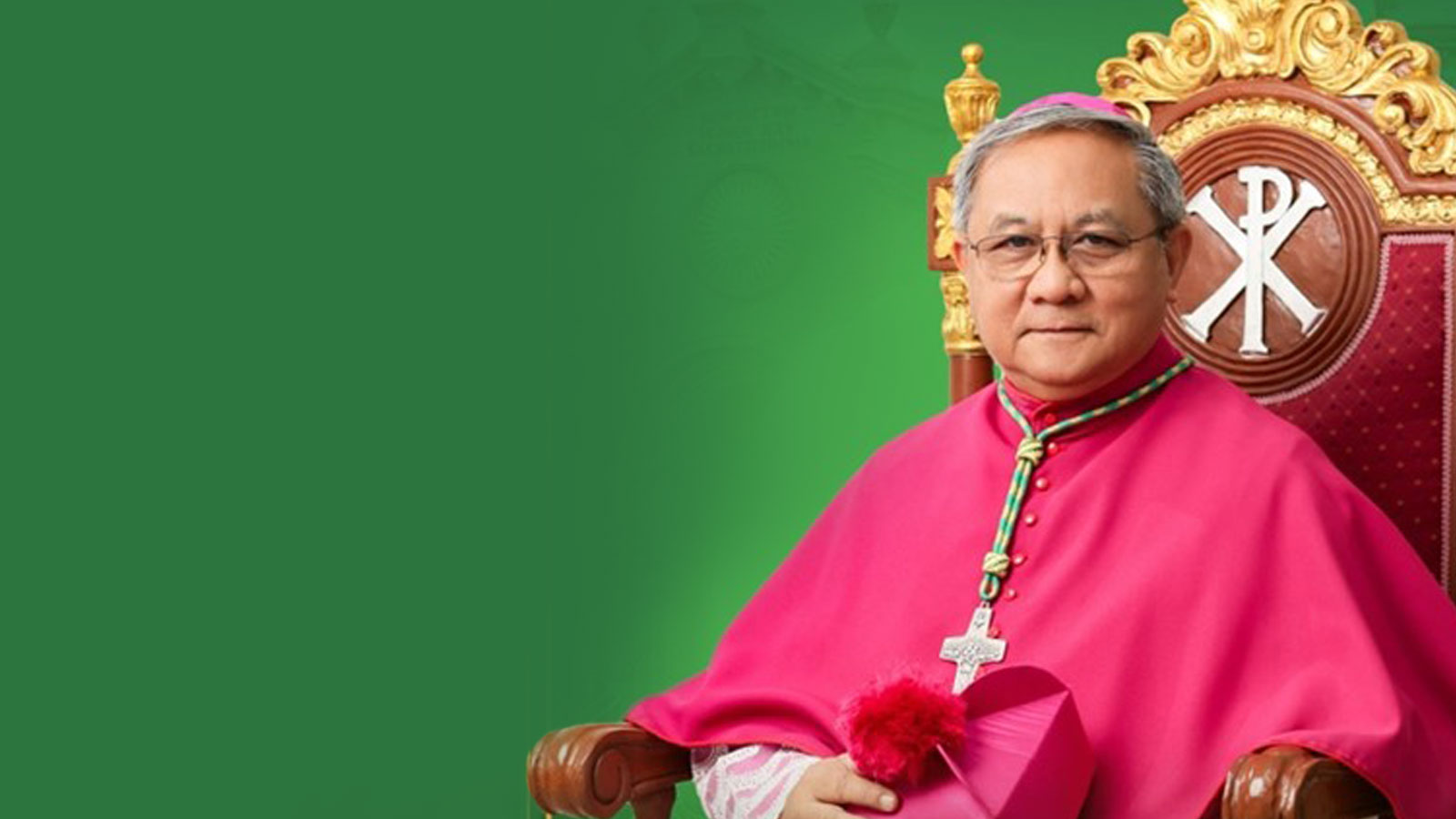
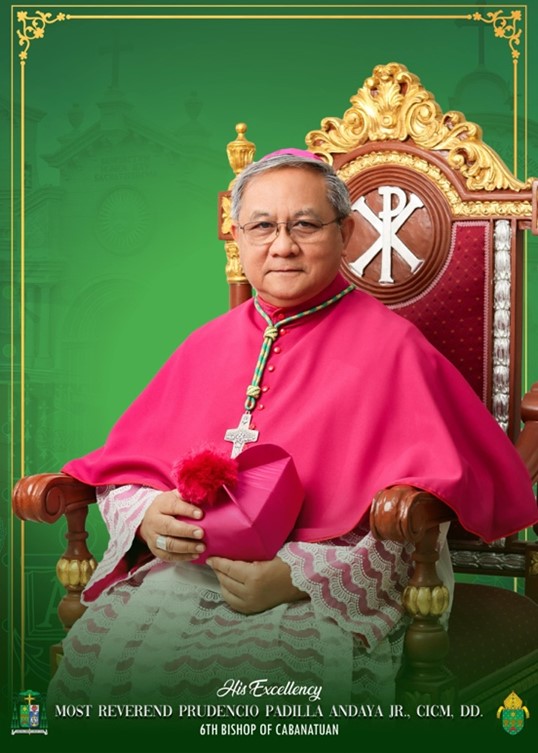
His Holiness Pope Francis has appointed, Most Reverend Andaya Prudencio Jr., CICM, Apostolic Vicar of Tabuk, Bishop of Cabanatuan in the Philippines on December 8, 2024. He was installed 6th Bishop of the Diocese of Cabanatuan on February 3, 2025.